

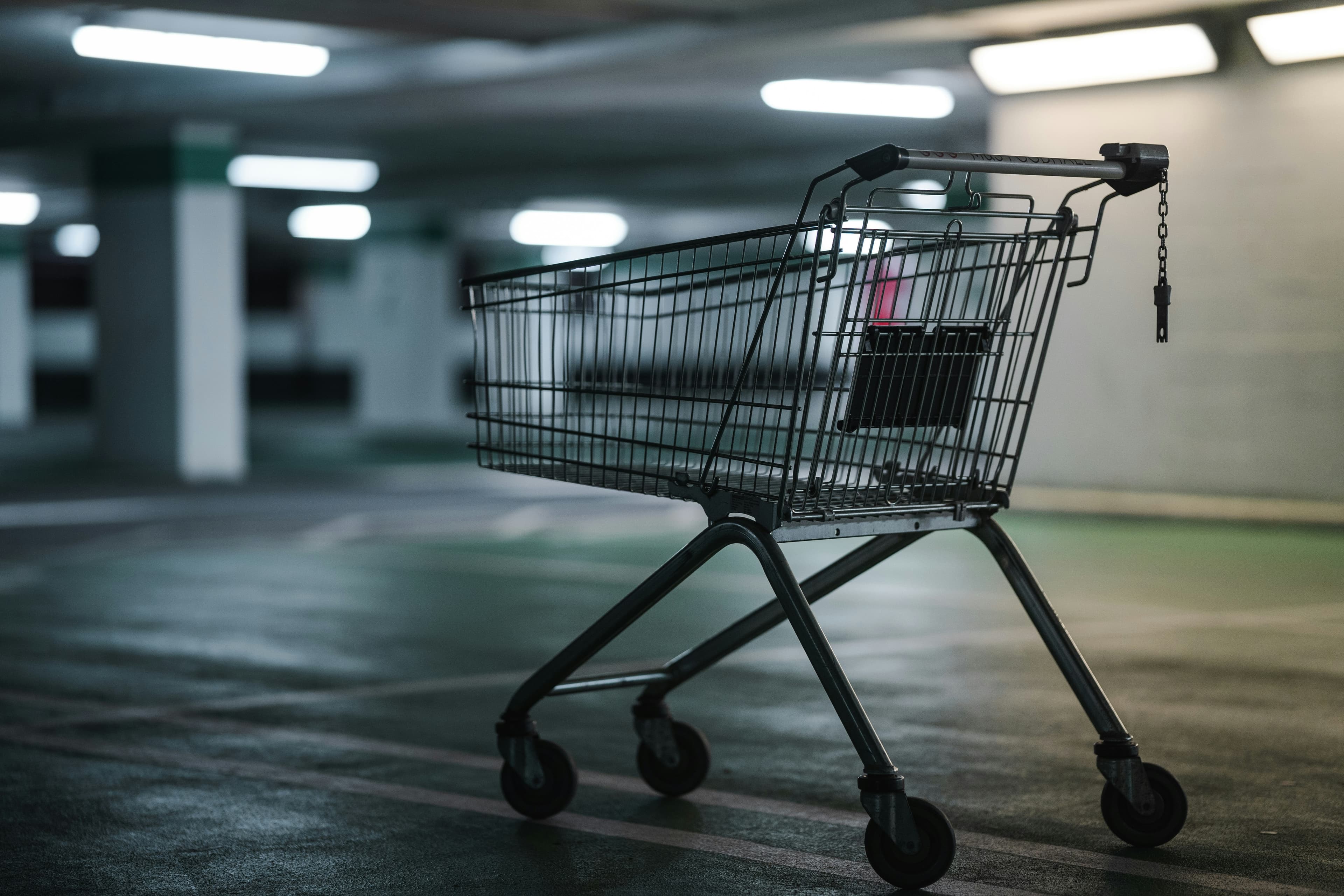
You put in the work to bring qualified traffic. Shoppers browse, add products, and reach the cart. Then they leave.
You pay for every one of those visits. You feel each abandoned cart as wasted spend.
According to Forbes, Baymard Institute found an average cart abandonment rate of 70.1 percent across 49 eCommerce studies, which turns into huge revenue loss for most brands.
Cart abandonment prevention gives you one of the clearest levers for profitable growth. If you reduce cart abandonment by a few points, you improve revenue, ROAS, and payback without raising spend.
This guide treats cart abandonment prevention as a psychology problem first and a technology problem second. You will see how shopper behavior shapes cart abandonment, how checkout optimization supports that behavior, and how recovery emails win back revenue without eroding trust.
Why Cart Abandonment Prevention Starts With Behavior, Not Coupons
Most teams respond to cart abandonment with discounts. That approach fixes symptoms and trains shoppers to wait for deals.
You get stronger, more durable results when you tackle behavior. Cart abandonment prevention improves when you understand why shoppers leave at three levels.
- Motivation: how strongly they want the product.
- Friction: how difficult the process feels.
- Anxiety: how risky the purchase feels.
On the motivation side, some carts are feeble by nature. People compare, research, or use the cart as a wish list. You do not recover every one of those sessions. Cart abandonment prevention targets the group with real buying intent that slips away due to friction or anxiety.
Friction appears through extra fields, extra steps, or confusing options. Anxiety shows up as doubt about quality, delivery, returns, or payment safety.
Psychology-backed cart abandonment prevention focuses on reducing friction, reducing anxiety, and reinforcing the original motivation. Discounts then support the strategy, they do not define it.
Quantify Your Cart Abandonment Problem Before You Fix It
You improve what you measure. Cart abandonment prevention work starts with clear numbers.
Track at least three metrics.
- Cart abandonment rate: carts with at least one item that do not convert.
- Checkout abandonment rate: sessions that start checkout and drop before payment.
- Recovery rate: orders from recovery emails or flows divided by abandoned carts.
Segment these by device, traffic source, and country. You want to see where cart abandonment prevention will pay off fastest.
According to ContactPigeon’s summary of Baymard data, global cart abandonment averages 70.19 percent, with rates above 75 percent on mobile.
Cart abandonment prevention targets the gap between your numbers and what your current experience should deliver. If you sit far above that range, you push hard on checkout optimization. If you sit within that range, you focus more on higher intent segments where marginal gains matter most.
Remove Surprise Costs To Reduce Cart Abandonment
Price surprises trigger strong emotional reactions. Shoppers feel betrayed when the total jumps at the last step. That feeling overrides their initial desire for the product.
Psychology explains this through loss aversion. People feel losses more strongly than gains. A sudden shipping cost feels like a loss, even when the final price stays fair.
According to Cropink, extra charges at checkout such as shipping, taxes, or fees cause 48 percent of cart abandonments.
Cart abandonment prevention needs price clarity from the first moments of the visit.
Practical steps.
- Show shipping estimates early, ideally on product pages.
- Offer a progress bar for shipping thresholds so shoppers see how close they are to free shipping.
- Use a fees breakdown near the cart total, not only on the last step.
- Offer realistic delivery windows instead of vague promises.
Test different shipping strategies with your margins in mind. Sometimes, a slightly higher product price with lower shipping perception leads to more profit, because cart abandonment prevention saves more orders than the margin tradeoff costs.
Use Checkout Optimization To Reduce Cognitive Load
Every form field, decision, and step drains mental energy. When the process feels heavy, shoppers drop. Cart abandonment prevention hinges on making checkout easy to start and easy to finish.
You reduce cognitive load by focusing on three forces.
- Clarity: each step explains what happens next.
- Simplicity: fields and options stay limited to essentials.
- Continuity: context carries through from cart to confirmation.
Checklist for checkout optimization.
- Offer guest checkout and express options from the first screen.
- Use address lookup and autocomplete to reduce typing.
- Remove redundant fields, such as second address lines, for most customers.
- Save cart contents when shoppers backtrack, so nothing feels lost.
Choice overload plays a role here. When you present too many shipping or payment options, decision fatigue leads to abandonment. Cart abandonment prevention favors a short, curated list of relevant options, not a long catalog of every possible method.
Build Trust So Shoppers Feel Safe Finishing Payment
Cart abandonment prevention also hinges on trust. Shoppers need confidence in your store, your payment process, and your post-purchase support.
Trust issues appear through small signals.
- Inconsistent design between site and checkout.
- Outdated logos or security icons.
- Missing or hard to find returns and guarantee information.
- Confusing or sparse contact details.
You reduce anxiety with clear proofs and safety cues.
Tactics for trust-driven cart abandonment prevention.
- Keep branding consistent from product page to payment.
- Place concise copy near payment fields that explains encryption and security.
- Surface key reviews and UGC near cart and checkout, not only on product pages.
- Highlight guarantee and return policies in plain language, with no trick conditions.
Social proof matters here. When shoppers see others buying, reviewing, and reordering, they feel less risk. Cart abandonment prevention should add that reassurance at critical moments, especially when the final price appears.
Use Smart Friction To Support Commitment, Not Anxiety
Friction sounds negative, yet some forms help. Smart friction slows people slightly so they confirm decisions and feel in control.
Cart abandonment prevention uses smart friction in specific ways.
- Order review screens that summarize items, totals, and delivery details.
- Clear calls to check sizes, colors, or subscription terms.
- Small confirmations for high-ticket or recurring orders.
This supports the commitment and consistency principle. Once someone affirms a decision in their own words or clicks, they feel more aligned with that choice.
The key is balance. Smart friction reinforces commitment without feeling like extra work. Cart abandonment prevention fails when friction adds confusion. It succeeds when friction adds control.
Design Cart Abandonment Prevention For Mobile First
Mobile is where many carts start and where many carts die. Cart abandonment prevention has to treat mobile as the main stage, not a smaller channel.
According to SQ Magazine, mobile devices generated 60 to 70 percent of eCommerce site visits in 2024, yet desktops still held higher conversion rates at 3.9 percent compared with 2.85 percent on mobile.
This gap tells you two things.
- Shoppers rely on mobile for browsing and early intent.
- Mobile friction leaves revenue unmatched to that intent.
Cart abandonment prevention for mobile focuses on thumbs, eyes, and attention.
Practical steps.
- Design a single-column checkout with large tap targets.
- Keep primary CTA buttons fixed and within thumb reach.
- Use mobile wallets such as Apple Pay and Google Pay for faster payment.
- Limit form fields that demand precise typing, especially on small screens.
Test your entire cart and checkout flow on real devices. Do this regularly, not only once during a redesign. Cart abandonment prevention improves when you watch people move through the process and remove small irritants before they accumulate.
Treat Speed and Stability as Cart Abandonment Prevention Basics
Slow pages break intent. Shoppers feel impatience, question reliability, and leave before checkout appears. Speed and stability sit at the core of cart abandonment prevention.
According to Envisage Digital, sites that load in one second reach an eCommerce conversion rate 2.5 times higher than sites loading in five seconds.
Speed work supports cart abandonment prevention across the funnel.
Priorities for speed and stability.
- Optimize images and scripts on the cart and checkout templates first.
- Minimize server calls to third party scripts.
- Use performance monitoring for every step of checkout.
- Protect uptime during campaigns with capacity planning and load testing.
Stability matters as much as speed. A single error on the payment or address steps multiplies perceived risk. Cart abandonment prevention depends on a reliable foundation, not only clever recovery tactics.
Use Framing and Anchoring To Support Cart Completion
Psychology research shows that people respond strongly to how choices appear, not only what those choices contain. Cart abandonment prevention uses framing and anchoring to nudge shoppers toward completion.
Anchoring refers to the reference point people use when judging a number. If you highlight the regular price and savings clearly, the final total feels more reasonable. If you highlight free shipping thresholds, the cart total feels closer to a meaningful goal.
Framing refers to how you present the outcome. For prevention, you emphasize what the shopper keeps rather than what they spend.
Examples.
- “You secure your order today and lock in this price” instead of “Pay now.”
- “You keep your loyalty points active” instead of “Complete your purchase.”
These phrases reduce loss aversion and reinforce the sense of progress. Used thoughtfully, they support cart abandonment prevention without feeling manipulative.
Design Recovery Emails Around Intent, Not Discounts
Recovery emails sit at the center of many cart abandonment prevention programs. Their quality shapes how much revenue you reclaim and how shoppers feel about your brand.
According to FastWix, abandoned cart emails reach 50 percent open rates and 3.3 percent conversion rates, with businesses reporting 15 to 30 percent of abandoned revenue recovered.
The strongest recovery flows respect intent. You write them for people who liked the product enough to start checkout. They deserve more than a blunt “you forgot something” script.
Structure for psychology-backed recovery emails.
Email 1: Reminder and reassurance
- Timing: within one to three hours.
- Focus: helpful reminder, saved cart, and simple path back.
- Psychology: reduces forgetfulness and friction.
Email 2: Social proof and objection handling
- Timing: 12 to 24 hours later.
- Focus: reviews, use cases, and answers to common concerns.
- Psychology: reduces anxiety with proof and clarity.
Email 3: Value framing and urgency
- Timing: 48 to 72 hours later.
- Focus: benefits of the product, stock context, and clear deadline if relevant.
- Psychology: combines commitment, loss aversion, and focus.
Discounts sit behind these messages, not in front. Cart abandonment prevention works better when your sequence sells the product and experience first. Money incentives then tip hesitant shoppers who still feel interested.
Use Recovery Emails and On-Site Messages Together
Recovery emails thrive when you coordinate them with on-site experiences. Cart abandonment prevention improves once you treat email, SMS, and on-site prompts as one system.
Ideas to align channels.
- Show a personalized reminder banner when a returning visitor reaches your site after an abandoned cart.
- Preload the abandoned cart and move them near checkout instead of dropping them on the homepage.
- Use the same language in recovery emails and on-site prompts so the experience feels joined up.
For high intent segments such as loyalty members, you might also add SMS nudges with tight frequency control. Each touchpoint supports your cart abandonment prevention goals without overwhelming people.
Apply Psychology Principles to On-Site Cart Abandonment Prevention
Multiple psychology principles apply to cart abandonment prevention on-site. You balance them carefully so the experience stays honest and human.
Loss aversion
- Show what shoppers risk losing, such as limited stock or expiring bundles.
- Use soft phrasing that keeps pressure low and respect high.
Social proof
- Surface real reviews that mention quality, support, or delivery speed.
- Highlight counts of people viewing or buying without exaggeration.
Endowment effect
- Treat the cart as “theirs,” with copy such as “Your selection” and “Your order.”
- Keep cart contents visible throughout the journey, for example, in a mini cart.
Commitment and consistency
- Ask for small yes decisions early, such as “Save these items for later” or “Confirm your shipping choice.”
- Maintain progress indicators so the finish line feels close.
Each principle supports cart abandonment prevention when it aligns with the truth. Your brand still needs to feel trustworthy and grounded. CV3’s approach favors this kind of psychology-led honesty over high-pressure tactics that erode long-term loyalty.
Build a Scorecard to Prevent Cart Abandonment
You need a repeatable way to assess your current state and track improvement. A scorecard gives you structure.
Organize the scorecard into four areas.
- Experience: clarity, ease, and speed from cart to confirmation.
- Trust: security, policies, and social proof.
- Psychology: use of framing, commitment, and reassurance.
- Recovery: strength of email, SMS, and on-site reminders.
For each area, rate yourself on a simple scale from one to five. Then define actions for each low score.
Examples.
- Experience score 2: too many fields, no guest checkout, weak mobile view.
- Trust score 3: basic security logos, but weak policy visibility.
- Psychology score 2: no progress indicators, little framing.
- Recovery score 1: single generic reminder email.
This keeps cart abandonment prevention work actionable. Your team sees where to focus and how close you are to a stronger baseline.
Measure Cart Abandonment Prevention With the Right Metrics
Strong strategy needs strong measurement. Cart abandonment control relies on a tight set of KPIs.
Core metrics.
- Cart abandonment rate by device and traffic source.
- Checkout step drop off, from cart to address to payment to confirmation.
- Recovery email open rate, click rate, and conversion rate.
- Revenue recovered as a share of total abandoned value.
According to eMarketer, Dynamic Yield data showed a global cart abandonment rate of 73.9 percent for the 12 months ending July 2024, with wide variation across verticals.
Use this as context, not a target. Your best metric is your own trend over time. If cart abandonment prevention work lowers your rate by three to five points while recovery revenue rises, you see success.
You also track qualitative signals. Support ticket volume around checkout. Survey feedback on ease of purchase. On-site polls about reasons for leaving. These enrich the numbers with the real voice of customer input.
How CV3 Approaches Cart Abandonment Prevention as a Service
Cart abandonment prevention sits at the intersection of UX, marketing, and technology. Many teams struggle to coordinate those threads.
CV3 approaches cart abandonment prevention as an ongoing program, not a one-time project.
Key principles.
- Platform and agency under one team, so checkout optimization and campaigns align.
- Strong focus on mobile and performance for cart and checkout templates.
- Psychology-informed copywriting for on-site prompts and recovery emails.
- Measurement frameworks that tie recovery revenue back to the channel and segment.
For growth leaders, this means you receive both the tools and the people needed for cart abandonment prevention. UX work, engineering changes, and lifecycle flows operate from the same roadmap.
You still own strategy and brand direction. CV3 adds structure, testing discipline, and technical depth to push cart abandonment prevention further without losing sight of customer respect.
Turn Cart Abandonment Prevention Into a Growth Habit
Controlling cart abandonment is not a one-time checklist. Shopper behavior shifts. Devices, payment methods, and expectations evolve. Your cart and checkout experience need steady attention.
You turn cart abandonment prevention into a growth habit when you.
- Treat abandoned carts as a high-intent segment, not a failure.
- Review cart and checkout data weekly, not only during peak season.
- Test small, psychology-based changes instead of endless discounts.
- Join on-site optimization and recovery emails in one program.
- Ask where your platform and partners help or hold back progress.
Every point you shave off cart abandonment moves straight toward revenue with no extra ad spend. For an eCommerce manager focused on conversion, that is one of the cleanest ways to improve ROI.
When you design your approach around behavior, respect, and measurement, cart abandonment prevention stops feeling like a firefight. It starts to feel like a reliable engine that supports the growth targets you set for your store.