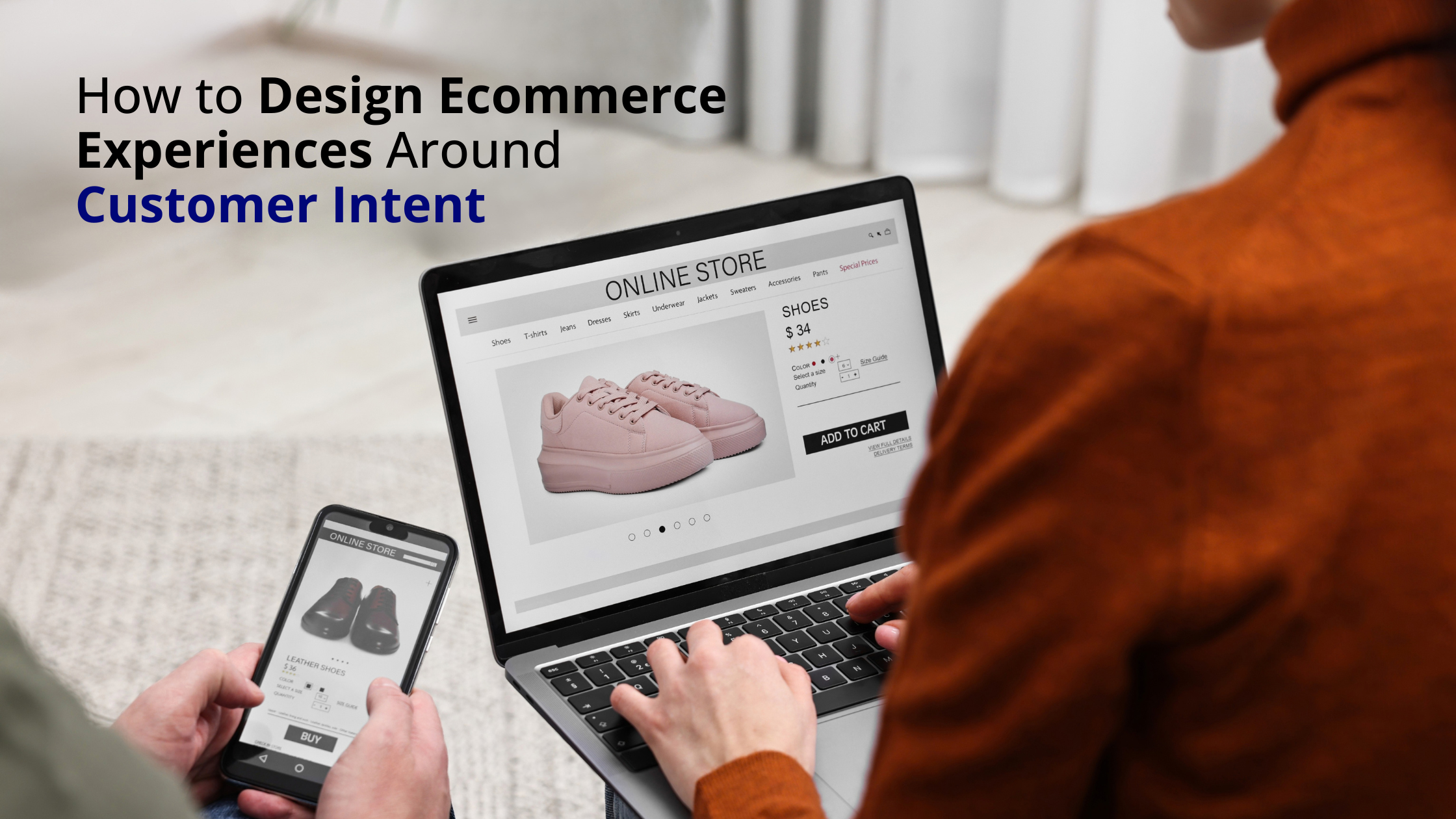


You operate in eCommerce during a hard shift. Customer expectations rise every quarter. Acquisition costs climb. Margins feel tighter. At the same time, artificial intelligence in e-commerce moves from experiment to core infrastructure.
The brands that win in 2026 use AI for e-commerce as a force multiplier. They move faster, personalize deeper, and treat data as an advantage instead of a burden. You do not need a massive team or budget to compete, but you do need a clear plan.
This guide shows how artificial intelligence in e-commerce reshapes your marketing stack, what tools matter, and how to prepare your team now.
What Is AI, and Why Does It Matter in eCommerce?
In simple terms, AI is software that learns from data and improves decisions without hard coded rules. In eCommerce, that means systems that adjust campaigns, content, and offers based on customer behavior in real time.
AI for ecommerce marketing uses signals from search, behaviour on the site, order history, email engagement, and support interactions. Algorithms find patterns that human teams can’t see or keep track of on a larger scale. This is important since your customers want things to be quick and useful. Why AI Is Critical for E-commerce Marketing in 2026
In 2026, AI is not a side project. It sits at the center of your eCommerce growth model. Three forces drive this shift.
1. Rising acquisition costs
Paid channels get more crowded. Targeting restrictions increase. A study from Statista shows that global digital ad spend is projected to reach 910 billion U.S. dollars by 2027. More spend in the same channels means more competition for every impression.
AI-powered marketing plans can help you fight back. Algorithms change bids in real time, cut down on unnecessary spending, and put high-value portions first. Instead of spending money on a lot of people, you focus on the right shopper at the right time.
2. Pressure on margins
Costs for logistics, fulfillment, and advertising cut down profits. AI in e-commerce helps by making pricing, merchandising, and keeping customers better. The Boston Consulting Group showed that brands that employ sophisticated customisation make 6% to 10% more money and are better at marketing.
You make more money from each visit and order when your catalog, marketing, and emails are based on what people really want.
3. Customer patience gets shorter
Customers want a clean path from the ad to the checkout. People leave when they get slow responses or offerings that don’t make sense. Salesforce says that 88% of customers feel experience is just as important as the products or services. AI for e-commerce helps meet that expectation by coordinating experiences across channels without having to pass them off by hand.
Key Ways AI Is Transforming E-commerce Marketing
Artificial intelligence in e-commerce changes how you attract, convert, and retain customers.
Here are the main levers:
1. Predictive customer insights
AI systems look at your purchase history, browser habits, and engagement signals to guess what you’ll do next. You can guess who will buy again, who will leave, and who will take advantage of whatever deal.
That makes it possible to:
• Score churn risk and create targeted win-back flows
• Likelihood of buying models for cross-selling and upselling
• Segmentation of VIPs and loyal customers based on their expected lifetime value
You don’t wait for lost consumers to leave; you act before they do.
2. Dynamic personalization at scale
AI-powered marketing methods help people have one-on-one encounters with big catalogs. Algorithms customize:
• Homepage design for each visitor
• Product suggestions for each session
• Email content depending on interest and stage of life
• Onsite messages based on where the traffic comes from and what it does
According to McKinsey, organizations who are good at personalizing make 40% more money from those operations. AI for ecommerce helps you run that level of personalization without exploding team workload.
3. Smarter performance marketing
Paid media platforms use AI for bidding and targeting, but you gain a stronger edge when you add your own intelligence layer. For example:
• Feed optimization based on margin, inventory, and conversion rate
• Audience building using predictive scores instead of simple demographics
• Budget allocation by channel based on incremental lift, not last click
Artificial intelligence in e-commerce lets your internal data steer external platforms instead of the reverse.
4. Content and merchandising optimization
AI looks at product pages, search queries, and what people do on the site to find out where they leave.
You get:
• Automated A/B tests and multi variant tests
• Search term mapping to product relevance, not only keyword match
• Real time merchandising rules based on demand and stock
This tight loop turns your store into a living system that adjusts daily.
AI Tools Used in E-commerce Marketing
You do not need every tool in the market. You need the right track for your team’s resources, growth stage and the amount of data you have. Some of the most important tools AI tools for eCommerce are:
1. Recommendation engines
These programs look at how people browse and buy things, and then they show relevant products on your site, in your emails, and in your advertisements. They power:
• Related items and things that go well with them
• Sections for things you’ve seen recently and things that are popular right now
• Customized bundles for buyers who really want to buy
Strong recommendation systems have a clear effect. For instance, a study by Salesforce Commerce Cloud found that product recommendations can make up as much as 26% of some retailers’ sales.
2. Marketing automation and orchestration
Ai is used by these services to start, rate, and order messages across EMail, SMS and push. The top tools:
• Score leads and customers depending on how they perform
• Change the time and content of emails based on how engaged they are
• Suggest the next best step for each profile
3. Onsite search and merchandising tools
AI-powered search doesn’t just find exact matches; it also recognizes intent, synonyms, and trends. It changes the rankings based on conversion rates and the amount of stock available.
This is important because those who utilize site search are more likely to buy. According to Google, those who utilise onsite search are two to three times more likely to make a purchase. Smart search helps you keep that intent instead of losing it to bad results.
4. Ad optimization platforms
These technologies combine your product feed, margin data, and first-party behavioral data to let you bid and target ads on Google, Meta, and other paid channels. They:
• Move money around to ad groups and audiences that make money
• Find search terms and creative that bring in extra purchases
• Block low value or unproductive traffic groups.
5. Analytics and decision intelligence
AI-powered analytics systems find trends, anomalies, and insights without the need for manual reporting. You get alerts when conversion rates decline on a particular product line or when a campaign brings in more valuable customers, not just more customers.
Benefits of AI in E-commerce Marketing
You may see tangible business results when you use AI in eCommerce every day
1. Higher conversion and AOV
Smart search, personalized recommendations, and targeted offers all increase both conversion rates and average order value. Retailers that use advanced personalization see sales go up by 10% or more and people are more engaged across all channels.
AI for ecommerce maintains offerings up to date without your team having to do it all the time.
2. Better marketing efficiency
AI-powered marketing techniques cut down on waste in paid media and lifecycle campaigns. Algorithms:
• Stop low-performing creatives faster
• Target only visitors with strong intent to buy
• Send fewer but smarter ads
This helps you get the most out of each dollar and protect your margins.
3. Faster decision making
With AI-powered analytics, you get clear signals instead of just raw data. You know which channels add value, which portions leave, and which tests work. That speed enables you to get ahead of competitors who are still on weekly reports and their gut feelings.
4. Personalization that can grow without hiring more people
You dont need to hire a big workforce to handle micro segments and countless email variations. Instead, you utilise AI to do this work. Your marketers focus on positioning, creative direction, and strategic offers.
Challenges & Limitations of AI in E-commerce
Artificial intelligence in e-commerce adds strength, but it is not magic. You face real constraints that require clear leadership.
1. Data quality and fragmentation
How well AI works depends on how good and complete your data is. Models have a hard time when your orders, product data, and marketing events are in different systems.
You need:
• Consistent and clean records of customers
• Unified identities across devices and channels
2. Talent and change management
AI for e-commerce alters the way your team works. Marketers shift from manual campaign management to strategy, experimentation, and oversight.
That transition needs training and clear communication. People need to trust AI informed recommendations while keeping accountability for results.
3. High dependence on Black Box systems
Some AI technologies use algorithms that are hard to understand. If you don’t know how models optimize, you might end up not meeting your margin, brand, or compliance goals.
N you can, you should ask for openness, and for big decisions like pricing and promotions you should retain human review in the loop.
4. Privacy and compliance
Rules about how you utilize data are getting stricter. You need clear rules for getting consents, safe ways to handle data, and cooperation between your legal, marketing and IT departments.
Future Trends of AI in E-commerce Marketing
Artificial intelligence in e-commerce is always changing, and you may utilize these trends to plan your path for 2026 and beyond.
1. Deeper use of first party data
Third party cookies are being phased out and first party info is taking their place. AI algorithms will use your personal data about how you act, buy things, and interact with others to make predictions and develop audiences.
Retailers who invest early in clean first-party data and relationships based on consent will have an easier time running AI-powered marketing campaigns without breaking the law.
2. Real time decisioning across channels
AI systems will make choices right now, not hours later. For example:
• Changing offers on the site based on the context of live ad clicks
• Starting service outreach when a high-value customer shows signs of leaving
• Making sure that the creative and offer are the same across email, advertisements, and the website for one session
3. AI assisted creative and merchandising workflows
Marketers will utilize AI to write drafts, sort products, and suggest bundles. Then they will apply their knowledge to improve the output. This cuts down on the time it takes to test things and lets smaller teams work like bigger ones without sacrificing control of the brand voice.
4. More integrated commerce platforms
AI will become native in eCommerce platforms rather than bolted on. Merchandising, marketing, and operations systems will share the same intelligence layer, which creates a smoother flow from demand generation through fulfillment.
How Businesses Can Prepare for AI-Driven E-commerce
You do not need to rebuild your stack in one move. You need a precise, step-by-step approach that connects AI investments to your growth ambitions.
1. Begin with Data and Measurement
Before you look at tools, be sure your foundation is strong.
• Keep track of important occurrences both on and off the web
• Combine customer IDs when possible
• Make product data and taxonomies consistent across the board
• Set clear performance metrics for each channel and kind of campaign
Strong data discipline makes sure that AI in e-commerce gives you correct insights instead of noise.
2. Prioritize high impact use cases
First, look into AI for ecommerce use cases that are related to making money and being more efficient. Some good places to start are:
• Product suggestions on the site and in emails
• Cart and browse abandonment processes with predictive triggers
• Improving the search function on your site
• Making the most of your advertising budget across your biggest channels
First, measure the effect and then go on to more advanced modelling and orchestration.
3. Build internal skills
Teach your team how to use AI technologies. Some important talents are:
• Designing and analyzing experiments
• Understanding data and basic statistics
• Mapping out the customer experience
• Working together with marketing, merchandising, and technology
Strong human judgment keeps AI in line with your brand and goals.
4. Choose partners who understand commerce, not only algorithms
You need more than tools. You need a partner that understands catalog complexity, promotions, fulfillment, and the daily reality of your team. That partner helps you connect AI driven marketing strategies with real commerce outcomes, such as higher repeat purchase, stronger margins, and cleaner data flows across systems.
FAQs
What is artificial intelligence in e-commerce?
Artificial intelligence in e-commerce is when software systems use data about customers and products to make better judgments for your shop. Some examples are personalized suggestions, smart search, dynamic pricing, and automatic campaign optimization.
How does AI for e-commerce improve customer experience?
AI for e-commerce uses behavior, context, and history to present relevant products, content, and support in real time. Shoppers see items that match their needs, receive messages at the right moment, and move through a smoother path from discovery to purchase.
Do small and mid sized brands benefit from AI-driven marketing strategies?
Yes. Smaller brands gain leverage because AI-driven marketing strategies help limited teams perform work that usually needs many specialists. Even small teams may employ recommendation engines, smart email flows, and ad optimization without a lot of internal engineering if they have clear data and specific goals.
What data do I need to start with AI for ecommerce?
You need accurate order data, clean product information, onsite behavior events, and marketing engagement data. A unified view of customers across channels, even if basic at first, gives AI systems enough context to start improving personalization and targeting.
How long before I see results from artificial intelligence in e-commerce?
Many organizations experience early advantages within weeks of putting on AI-driven recommendations or ad optimization, especially when traffic is already robust. Deeper gains from journey orchestration and predictive modeling grow over several months as systems learn from more data.
If you want to turn artificial intelligence in e-commerce into a real growth engine without adding complexity, CV3 helps you do it. CV3 brings your store, marketing, and data into a unified commerce platform, then infuses AI into the parts that move revenue and retention. You get enterprise level capability with a partner focused on your outcomes, not on selling another tool. Talk to CV3 about building an AI ready eCommerce engine and give your team the advantage it needs in 2026.