

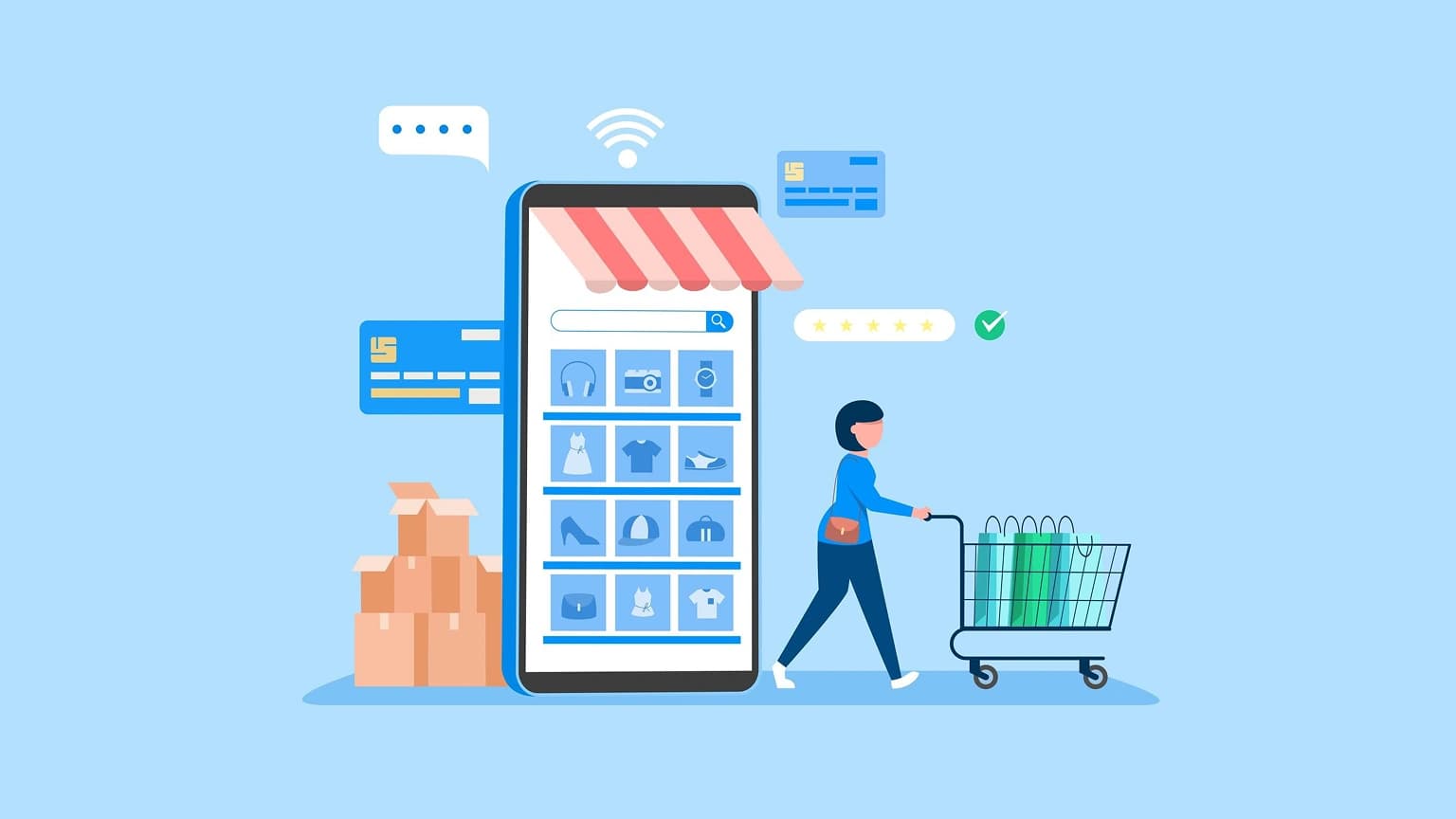
Choosing the best platform for an eCommerce website in 2026 shapes how fast you grow, how lean your team stays, and how confident you feel scaling. Your platform is no longer a simple storefront. It connects products, content, data, marketing, and operations into one system you can trust.
If you pick well, you remove friction for customers and for your team. If you pick poorly, you spend time fighting tools instead of growing revenue. The best platform for eCommerce website decisions always start with clear criteria and a long term view.
Why Choosing the Right eCommerce Platform Is Important
The eCommerce platform has a touchpoint throughout every part of the consumer journey. It decides the fast speed of loading pages, the smoothness of the checkout, and the clarity of the data in the reports.
This way, the right choice helps you in the following manner:
• In facilitating the launching of new products without having to do any heavy development work.
• In supporting both DTC and B2B buyers within one system is another benefit.
• Conjoining marketing, CRM, and analytics in a clear and clean way.
For many brands, the best platform for eCommerce website success becomes a growth engine, not only a store.
Key Features to Look for in an eCommerce Website Platform
Before starting on the comparison of the vendors, lock in your important requirements. These are the features that protect your time and margin.
• Performance and reliability: Faster load times and stronger support.
• Flexible catalog management: Variants, bundles, subscriptions, and complex pricing rules are essential for adapting to diverse customer needs and optimizing inventory management.
• Integrated marketing tools: Emails, paid media tracking, customization, and promotions are done accordingly.
• Search and merchandising: Smart search filters are put into place, recommendations are made, and rules you control are implemented.
• Checkout flexibility: Express checkout, multi-ship, gifting.
• Native integrations: ERP, WMS, CRM, marketplaces, and POS ties that do not break.
• Security and compliance: Security and compliance are ensured with PCI-ready payments along with strong data protection.
For many smaller brands, the best web hosting for small business eCommerce also matters. You need managed infrastructure, not another system to babysit.
Top eCommerce Platforms to Consider in 2026
In 2026, most teams look at a mix of generalist platforms and specialist eCommerce solutions.
• All-in-one commerce platforms: They bundle up the storefront, hosting, and marketing tools for the retail brands.
• B2B-focused platforms: They are built around ERP, complex pricing, and account-based selling, integrating core business processes.
• Composable platforms: They are put in place for teams with strong in-house engineering that want more control over their platforms.
• Platform-plus service models: Referring to CV3, which pairs technology with a senior team to support growth, search engine optimization (SEO), and performance marketing.
Comparison of Popular eCommerce Platforms
When you stack platforms side by side, focus on how well they support your full go to market system.
• Ease of use: Can your team manage content, promotions, and catalogs without constant developer help.
• Depth of features: Does the platform cover subscriptions, B2B terms, gifts, and multi store, or do you need many add ons.
• Data and reporting: Do you get clear insights into cohorts, channels, and product performance.
• Ecosystem and support: Do you gain an expert partner, or only a ticket queue.
Platform plus models like CV3 focus on both the software and the services around it. You get a purpose built eCommerce engine along with growth strategists, SEO specialists, designers, and channel experts who work as an extension of your team. For many growing brands, that mix beats a generic tool alone.
Best eCommerce Platforms for Small Businesses
Small businesses need speed and support. You cannot carry a large dev team or spend months on integration work. The best web hosting for small business eCommerce usually comes from platforms that bundle hosting, updates, and security into one contract.
While assessing platforms as a small business, make sure to look for the following:
• Faster onboarding with templates and opinionated defaults is crucial.
• A guided setup for payments, tax, and shipping.
• A well-managed hosting tuned specially for eCommerce.
• Direct access to a specialized support team that understands retail e-commerce perfectly.
The ability to scale into B2B marketplaces and the automation when needed,for small to mid-market brands, the correct platform for the eCommerce website pairs them on a simple day-to-day basis. CV3 leans into this, with a platform designed for specialty retail plus an agency team that guides you through each growth stage.
Best eCommerce Platforms for Beginners
If you are new to eCommerce, complexity kills momentum. You need clear steps, clean interfaces, and strong onboarding, not a maze of settings.
For beginners, prioritize:
• Visual store builders with guardrails
• Prebuilt themes tuned for mobile and accessibility
• Simple dashboards that show orders, traffic, and revenue in one view
• Playbooks for email, SEO, and paid search inside the platform
A beginner friendly platform still needs depth behind the scenes. As your skills and sales grow, you will add more advanced merchandising, segmentation, and automation. The best platform for eCommerce website longevity grows with you without forcing a replatform every few years.
Pricing and Cost Comparison of eCommerce Platforms
Pricing looks simple at first, but total cost lives in add ons, services, and your own headcount. When you compare options, map out cost over time, not only month one.
Key questions to ask:
• What is included in the base fee, and what needs extra apps
• How much will you spend on developers or agencies to maintain the store
• Does hosting scale with traffic without surprise fees
• How much manual reporting or data wrangling will your team handle
For many teams, the best web hosting for small business eCommerce sits inside a platform price that rolls up infrastructure, software, and core support. Platform plus models go further, bundling strategy and execution for SEO, PPC, email, and conversion design. That shifts cost from fragmented vendors into one accountable partner.
SEO and Marketing Features in eCommerce Platforms
You do not only need a store. You need demand. The best platform for eCommerce website growth bakes SEO and marketing into its core, not as an afterthought.
Look for:
• Clean URL structures and fast, mobile first templates
• Control over metadata, structured data, and internal links
• Built in support for content marketing and landing pages
• Deep integrations with paid search, social, and marketplaces
• Lifecycle marketing tools for email, SMS, and remarketing
CV3 focuses hard on organic growth and performance marketing. The platform supports structured data, product feeds, and merchandising logic, while the CV3 team builds the SEO and paid media strategies that match your category. You get both the toolbox and the specialists who know how to use it.
How to Choose the Best Platform for Your Online Store
To pick the best platform for eCommerce website success in 2026, move through a clear decision path.
• Clarify your model. List your sales channels, order volume, catalog complexity, and internal skills.
• Define must haves. Mark the features that protect your revenue, like subscriptions, B2B pricing, or multi ship gifting.
• Score platforms on fit. Evaluate each platform on features, support, hosting, and long term scalability.
• Assess total cost. Add platform fees, hosting, add ons, services, and internal time.
• Test with real use cases. Run through merchandising, promotions, and reporting that match your day to day work.
If you want a partner that handles both the technology and the growth engine around it, CV3 gives you a Platform plus Agency model built for serious eCommerce teams. You get a modern eCommerce platform, the best web hosting for small business eCommerce needs, integrated SEO and paid search, lifecycle marketing, and a senior team that treats your targets as their own.
Ready to choose the best platform for your eCommerce website and scale with confidence? Talk with CV3 and see how Platform plus can support your next phase of growth.