
Dispatch archive · Page 2 of 24
Showing 24 dispatches from the field — operator-written, every claim sourced.

What to Expect in Your First 90 Days With a GEO Agency
A straight, month-by-month look at what a good engagement delivers, and how to tell early if yours is on track. In your first 90 days with a GEO agency, weeks one and two should go on onboarding and a baseline of your current AI visibility, the rest of month one on strategy and technical groundwork, …


How to Choose the Right GEO Agency for Your Brand
A decisive buyer’s guide, with a ten-point test to grade your shortlist and a benchmark for what actually good looks like. The short version Most “GEO agencies” are SEO shops that added a buzzword. To choose a real one, grade every candidate on ten things that separate operators from pretenders: whether they can explain how …
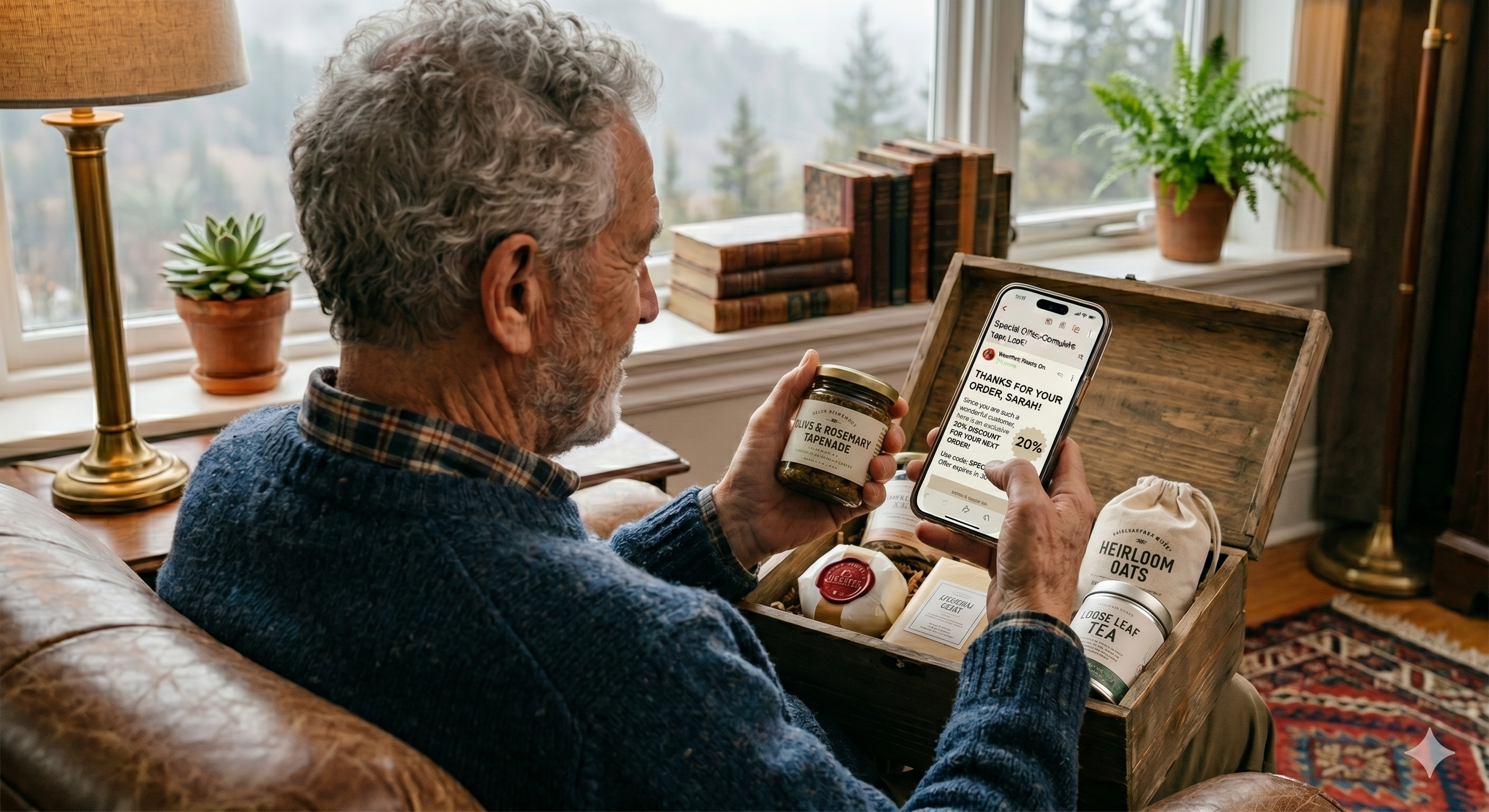
Post-Purchase Emails: How to Turn First-Time Buyers into Repeat Customers in 2026
70 to 80 percent of first-time ecommerce customers never come back for a second purchase, and the reason isn’t that the product was bad or the price was wrong but that nothing happened after the sale. The order confirmation came from the platform’s default template, the shipping notification was a bare tracking link, and then …

UX Mistakes: 12 Patterns Quietly Draining Revenue from Your eCommerce Store in 2026
UX is the single highest-ROI investment most ecommerce brands ignore. Forrester puts the return at $100 for every $1 invested — a 9,900 percent ROI. A single UX tweak can lift conversion 400 percent. The gap between average ecommerce conversion (1.6 to 2.5 percent) and top-performer conversion (4.7 percent+) is almost entirely explained by UX …

Top E‑Commerce Trends to Watch in 2026 & Beyond
eCommerce in 2026 is undergoing the most fundamental structural shift since the rise of mobile commerce a decade ago, and the brands that adapt to the new reality will compound advantages over competitors operating from a 2020 playbook. The numbers reveal the scale of transformation underway. Global ecommerce sales are projected to reach $7.9 trillion …

How Generative AI Is Transforming E-commerce Email Marketing
Generative AI has fundamentally restructured how ecommerce brands build, personalize, and ship email campaigns over the past 18 months, and the brands integrating these capabilities into their workflows are pulling ahead of competitors operating on a 2023 playbook. Litmus reports that 49 percent of marketers now use generative AI to write email copy and 41 …

Win-Back Campaigns: How to Bring Lapsed Customers Back in 2026
Win-back campaigns deliver the highest ROI of any email tactic according to 71 percent of marketers — yet most ecommerce brands either don’t run them or run them poorly. The numbers explain why they matter: average win-back success rates run 20 to 40 percent, reacquired customers double or triple their lifetime value after returning, and …
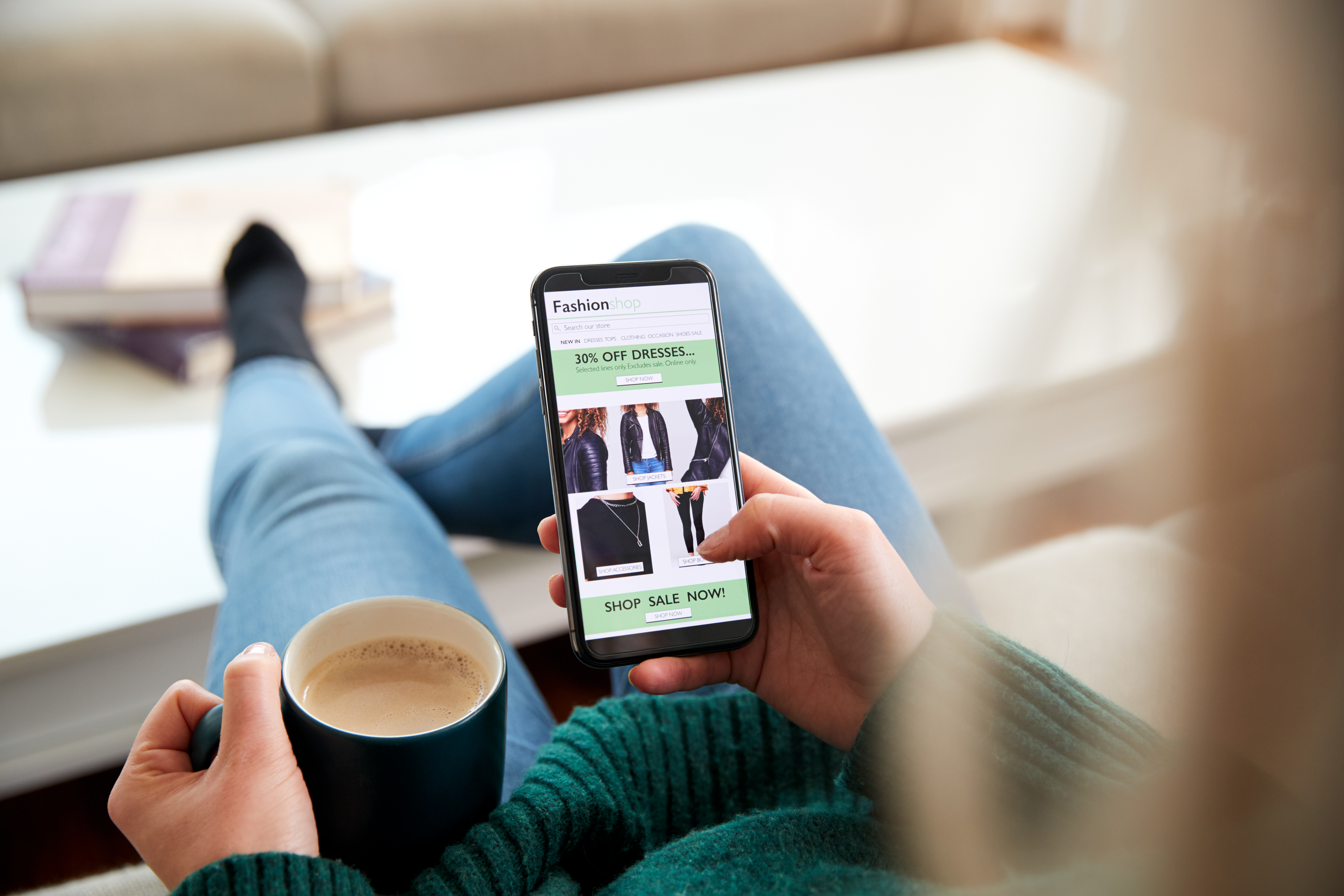
Mobile Conversion Optimization: How to Close the Mobile Revenue Gap in 2026
Mobile generates 60 to 75 percent of ecommerce traffic but converts at roughly half the rate of desktop. Mobile cart abandonment runs 78.74 percent compared to 74.8 percent on desktop. The math is brutal — most ecommerce stores are watching their highest-traffic device produce their lowest revenue per visitor. With mobile commerce projected to hit …
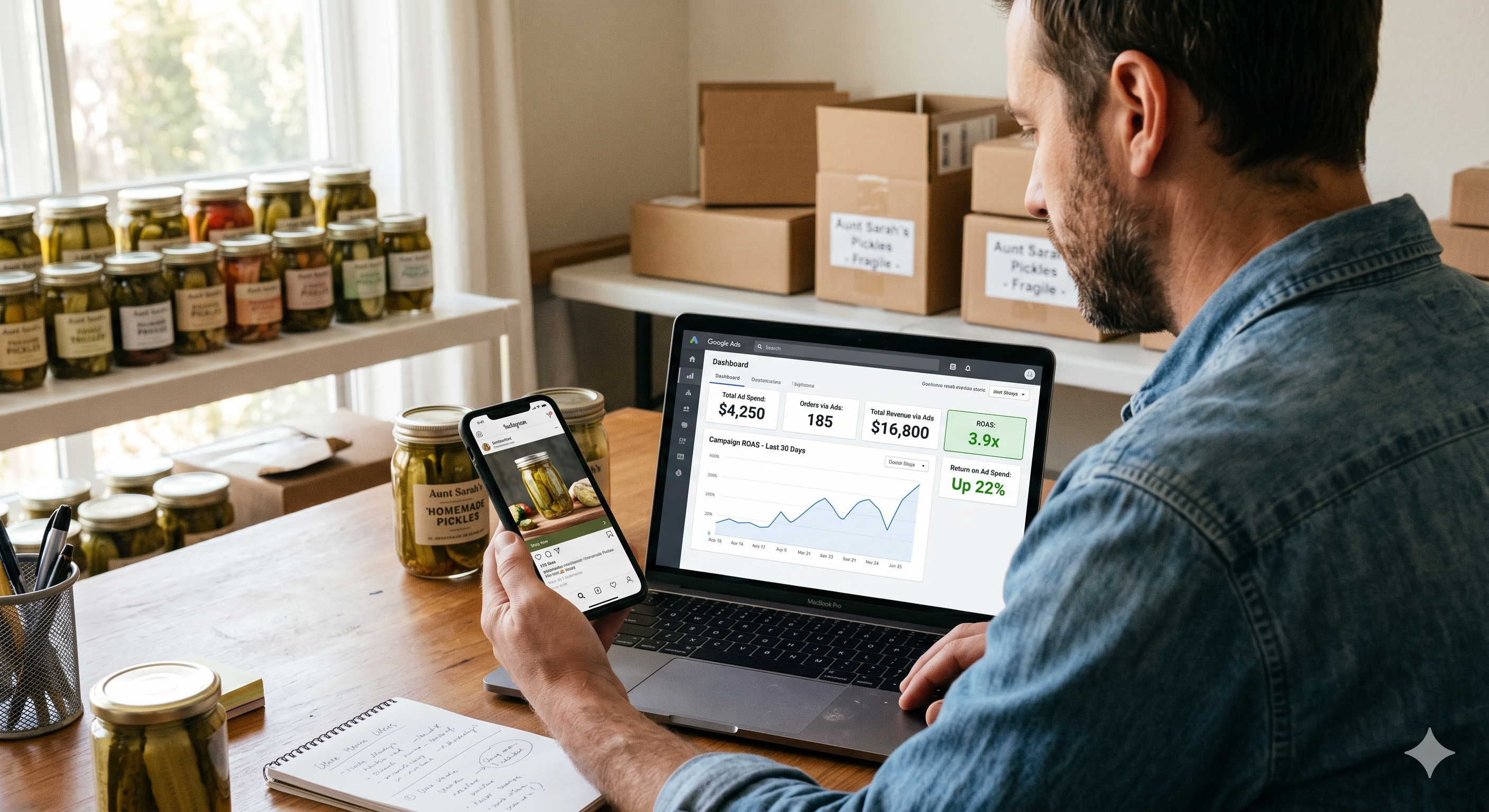
ROAS Improvement Strategies: 12 Levers for Profitable Paid Ads in 2026
Return on ad spend is the metric ecommerce founders watch most and understand least. Average ROAS across ecommerce sits at 2.79x to 3.61x in 2026, with top performers reaching 5.0x to 6.0x. The standard “3:1 rule of thumb” works as a starting point but breaks down fast — a 3.0x ROAS in beauty (median 1.57x) …

How to Rank Product Pages on Google: An 8-Step Framework for eCommerce in 2026
Product page rankings drive a meaningful share of ecommerce revenue. 43 percent of all ecommerce traffic comes from organic Google search and 23.6 percent of ecommerce orders originate from organic. Yet most ecommerce stores have product pages that struggle to crack the second page of Google for the keywords they should own. The reason isn’t …

AI Email Automation: How AI Is Reshaping eCommerce Email Marketing in 2026
Email marketing has changed more in the past 18 months than in the previous 10 years. Automated flows now generate 41 percent of total email revenue despite representing only 2 percent of send volume. Predictive segmentation delivers 10 to 25 percent higher conversions than rules-based approaches. AI-optimized subject lines lift open rates 15 to 25 …

Short-Form Video Strategy: A Cross-Platform Production System for eCommerce in 2026
Short-form video has become the default content format of ecommerce marketing in 2026. 82 percent of all internet traffic is now video, with short-form driving the largest share of engagement. Videos under 60 seconds average 50 percent engagement rates — far outperforming static formats. TikTok users spend 1 hour 37 minutes per day on the …

Welcome Email Series: How to Turn New Subscribers into Buyers in 2026
The welcome email series is the single most valuable email automation an ecommerce brand can build. Welcome emails generate up to 320 percent more revenue per email than promotional messages. They average a 35 percent open rate and a 58 percent click-to-conversion rate — numbers no other email category comes close to. Together with abandoned …

Facebook Ads Scaling Strategy: A Practical Playbook for eCommerce Brands in 2026
You have a winning Facebook ad. ROAS is healthy. Conversions are steady. The instinct is to push the budget — and that is exactly where most brands break their accounts. Scaling Meta ads in 2026 is fundamentally different from running them. The same campaign that prints money at $100 a day can collapse at $500 …

Instagram Growth Strategy: A Practical Playbook for eCommerce Brands in 2026
Instagram has 2.6 billion monthly active users in 2026. Average users spend over 30 minutes a day in the app. More than half of Gen Z social users turn to Instagram first for product discovery. Over 200 million businesses now have profiles. The opportunity for ecommerce brands is real, and the audience is enormous. But …

AI Product Recommendations: How to Drive 35% More Revenue from Your Existing Traffic
The best-performing ecommerce stores in 2026 are not the ones with the most products or the biggest ad budgets. They are the ones that show each shopper the exact right product at the exact right moment. AI product recommendations now generate an average of 35 percent of total revenue for stores that implement them well …
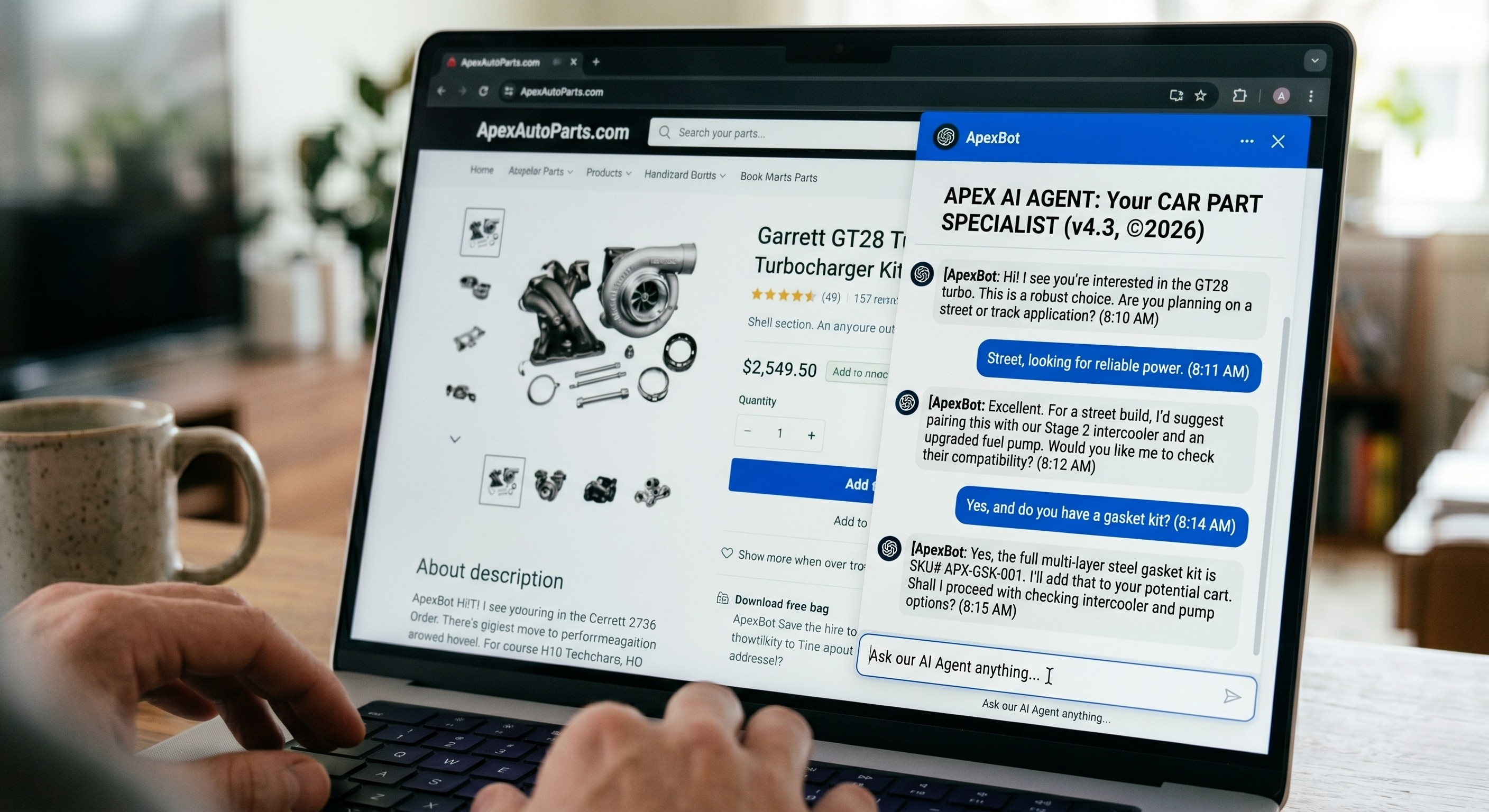
Chatbots for eCommerce: How AI Agents Are Becoming Revenue Infrastructure in 2026
Chatbots have moved from clunky FAQ widgets to revenue infrastructure in 2026. 80 percent of ecommerce businesses now use AI chatbots or plan to deploy them. Stores running modern chatbots see 15 to 35 percent conversion rate improvements, recover 10 to 15 percent of abandoned carts, lift average order value 8 to 20 percent, and …

UX Design Principles for eCommerce: The Fundamentals That Drive Conversion in 2026
UX trends come and go. Animations, color palettes, layout fads, and “design system of the year” all get loud attention and quietly fade. The principles underneath them barely move. The brands building stores that consistently convert in 2026 are not chasing the latest visual trend. They are applying the same foundational UX principles that have …

Product Page Optimization: How to Turn Browsers into Buyers in 2026
The product page is where every dollar of marketing spend either pays off or disappears. You can run great ads, rank well in search, and write polished email flows — but if the product page does not close the sale, none of that traffic translates to revenue. Most ecommerce product pages convert at 1.5 to …

Abandoned Cart Strategy: How to Prevent and Recover Lost Sales in 2026
Around 70 percent of online shopping carts get abandoned. For a store doing $50,000 a month in revenue, that means roughly $115,000 to $165,000 in cart value walks out the door every 30 days. Globally, ecommerce stores leave an estimated $260 billion in recoverable revenue across the US and EU alone. Cart abandonment is the …

Shopping Ads Optimization: A Practical Guide for eCommerce Brands in 2026
Shopping ads are the highest-leverage paid channel in ecommerce. They show your product image, price, and store name directly in Google search results, where shoppers are already in buying mode. Most ecommerce brands run them. Most do not optimize them properly. The result is a campaign that spends consistently but never seems to scale. This …

On-Page SEO for Product Pages: A Practical Guide to Ranking Individual Products
Most ecommerce stores spend their SEO time on the homepage, the blog, or category-level keywords. The pages that actually drive revenue — individual product pages — get whatever the platform generated by default. The result is predictable: thousands of high-intent product pages competing with the same manufacturer copy, generic title tags, missing schema, and zero …
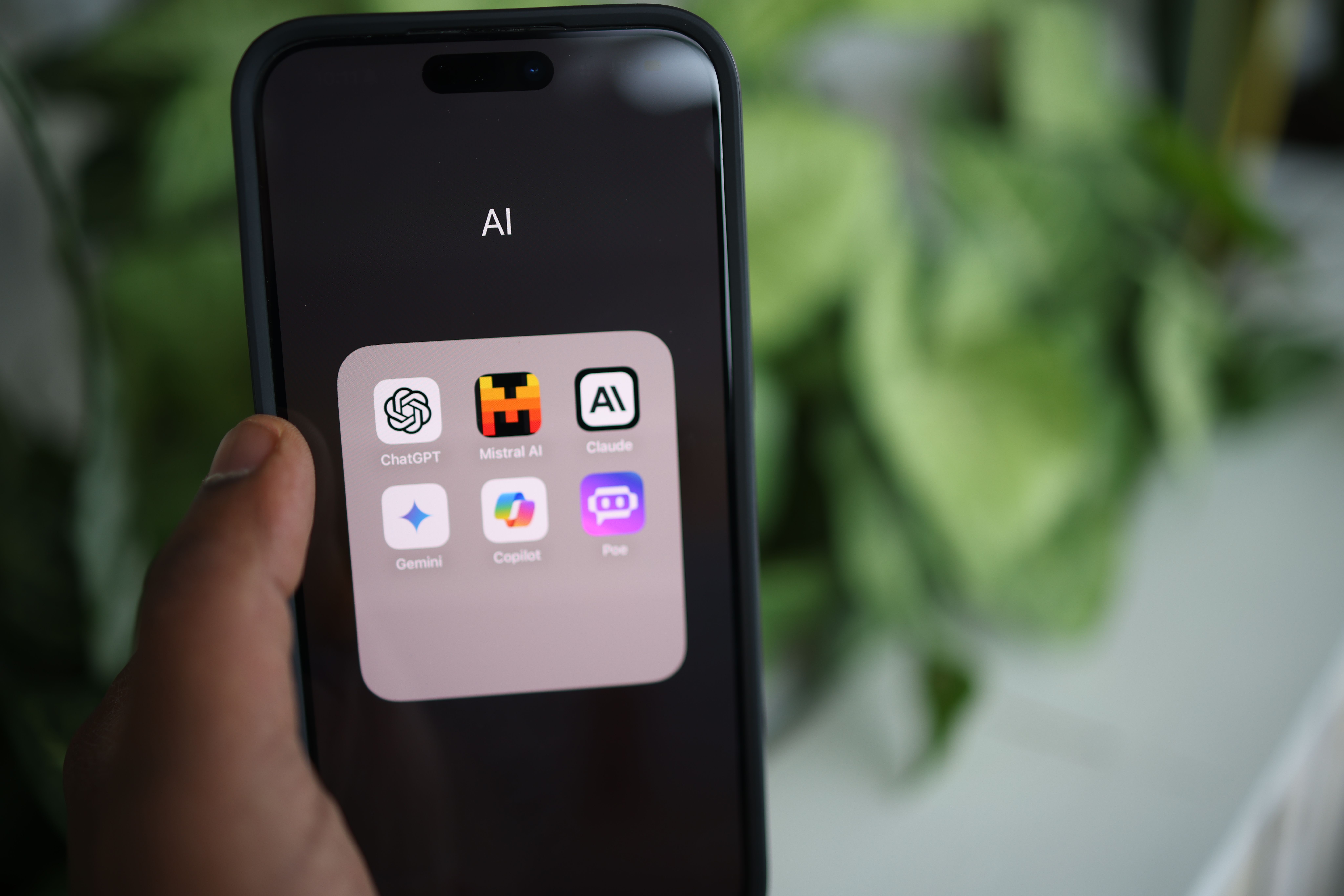
AI Tools for eCommerce: A Practical Guide to Building the Right Stack for Your Store
The number of AI tools marketed at ecommerce brands has exploded. Every week brings new platforms claiming to write your product copy, generate your ad creative, predict your inventory, personalize your homepage, and answer your customer support tickets. Most of them work. Most of them also overlap with each other, with your existing tools, and …

TikTok Ads Strategy: A Practical Playbook for eCommerce Brands in 2026
TikTok Ads have matured from a discovery experiment into one of the most efficient paid acquisition channels in ecommerce. CPMs sit at $3.20 to $10.00 — significantly cheaper than Meta. TikTok Shop campaigns convert at 10 percent or higher with native checkout, compared to 1.9 percent for campaigns driving external traffic. 71.2 percent of TikTok …